I arise today through a mighty strength, the invocation of the Trinity, through belief in the Threeness, through confession of the Oneness of the Creator of creation.
I arise today through the strength of Christ's birth with His baptism, through the strength of His crucifixion with His burial, through the strength of His resurrection with His ascension, through the strength of His descent for the judgment of doom.
I arise today through the strength of the love of the Cherubim, in the obedience of Angels, in the service of Archangels, in the hope of resurrection to meet with reward, in the prayers of Patriarchs, in the predictions of Prophets, in the preaching of Apostles, in the faith of Confessors, in the innocence of Holy Virgins, in the deeds of righteous men.
I arise today through the strength of heaven — the light of the sun, the radiance of the moon, the splendor of fire, the speed of lightning, the swiftness of wind, the depth of the sea, the stability of the earth, the firmness of rock.
CHRIST WITH ME, CHRIST BEFORE ME,
CHRIST BEHIND ME, CHRIST IN ME,
CHRIST BENEATH ME, CHRIST ABOVE ME,
CHRIST ON MY RIGHT, CHRIST ON MY LEFT,
CHRIST WHEN I LIE DOWN, CHRIST WHEN I SIT DOWN,
CHRIST WHEN I ARISE.
Christ in the heart of everyone who thinks of me, Christ in the mouth of everyone who speaks of me, Christ in every eye that sees me, Christ in every ear that hears me.
"The eternal God is your dwelling place. Underneath are the everlasting arms." — Deuteronomy 33:27
I arise today through a mighty strength, the invocation of the Trinity. Salvation is of the Lord. Salvation is of Christ. May Your salvation, O Lord, be ever with us. Amen.
St. Patrick’s Breastplate
I arise today through a mighty strength, the invocation of the Trinity — the ancient prayer-armor of the saints, prayed for protection on every road.
From the Church’s tradition: Attributed to St. Patrick (5th century) and known as the “Lorica” — the breastplate — it is the Church’s great prayer of being clothed in Christ for the day’s journey, prayed by Irish Christians for over a thousand years before setting out into danger.
St. Patrick’s Breastplate is the most famous of the ancient “loricas” — prayers shaped like a suit of armor, prayed at the start of the day to clothe the soul in the protection of God before stepping into whatever the day holds. Tradition tells that St. Patrick prayed it as he and his companions walked toward the court of a hostile king, and that it shielded them on the road; the Irish remember it as the Faed Fiada, the “Deer’s Cry.”
It is not a charm, and it commands no spirit. From beginning to end it is addressed to God: it binds the one who prays to the strength of the Trinity, to every saving mystery of Christ’s life, and to the protection of heaven and earth — and then, in its most beloved stanza, it surrounds the soul with Christ on every side. Below you will find the complete prayer, a card you can keep or share, and narrated audio to pray along with.
Listen — St. Patrick’s Breastplate, narrated
Audio coming soon
Brother Michael’s recording for this prayer is being prepared.
St. Patrick’s Breastplate — Full Text
The Lorica, attributed to St. Patrick. Its central stanza — “Christ with me, Christ before me, Christ behind me” — is among the most loved lines of prayer in the Christian tradition.
Keep this prayer with you
Share the St. Patrick’s Breastplate card
A prayer card you can send to someone who needs it tonight, save to your phone, or print for your wall.
Free. The app reads it aloud with you, every day.
What St. Patrick’s Breastplate means
The prayer takes its name from St. Paul’s image of the Christian dressed for battle: “Put you on the armour of God, that you may be able to stand against the deceits of the devil” (Ephesians 6:11). A lorica was a soldier’s breastplate, and a lorica-prayer is the deliberate act of putting that armor on — not steel, but Christ Himself: “put ye on the Lord Jesus Christ” (Romans 13:14). To pray it is to begin the day already clothed.
Notice its shape. It does not address the powers of darkness or command them; it “arises” — rises to its feet — by binding itself to God. It calls on the strength of the Trinity, then on every mystery of Christ’s life from His birth to His return, then on the whole company of heaven and the steadiness of creation itself. Only a soul standing inside that strength turns, in the great central stanza, to be wrapped in Christ: before, behind, beneath, above, on the right and the left, in every heart that thinks of us and every mouth that speaks of us.
This is the Catholic pattern of protection in its purest form. We are not strong on our own, and we do not pretend to be; we arise “through a mighty strength” that is not ours. The breastplate is humble and immense at once — it asks for nothing less than to face the day inside the life of God.
When to pray it
- ✦In the morning — it is a rising prayer (“I arise today”), made to be among the first things you pray.
- ✦Before a journey, a hard conversation, or anything you walk into with fear.
- ✦In any moment you need to remember that Christ is already all around you.
- ✦As a family, teaching children the “Christ with me, Christ before me” stanza by heart.
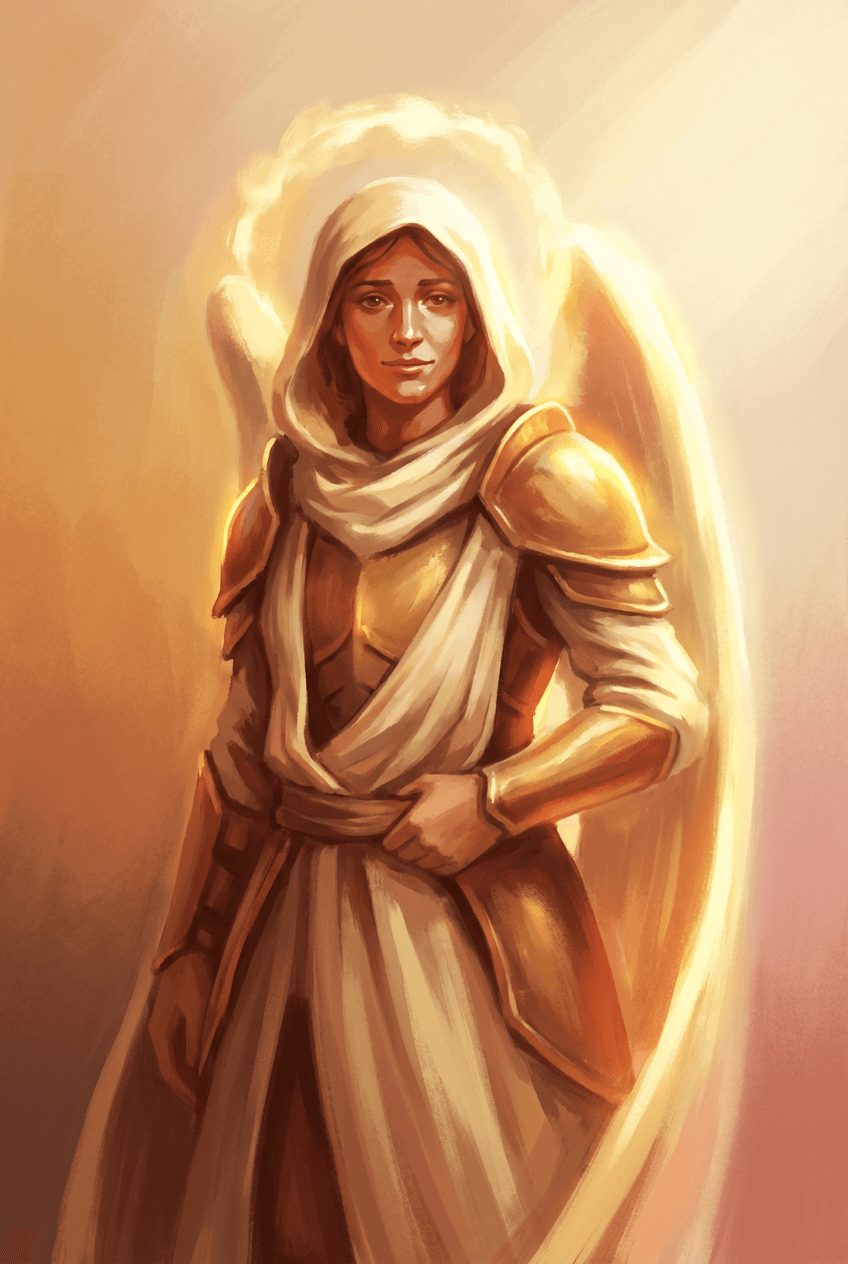
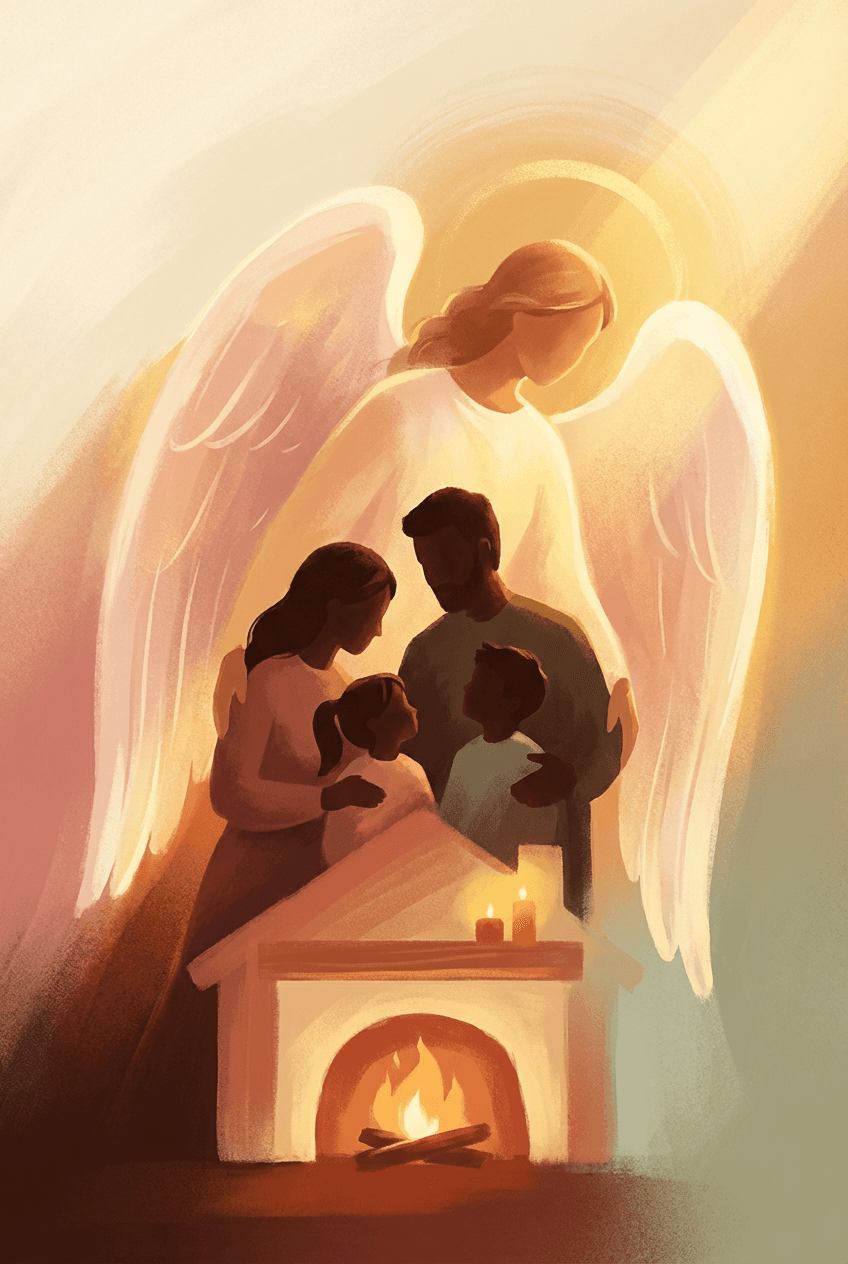
More of the Church’s prayer-armor
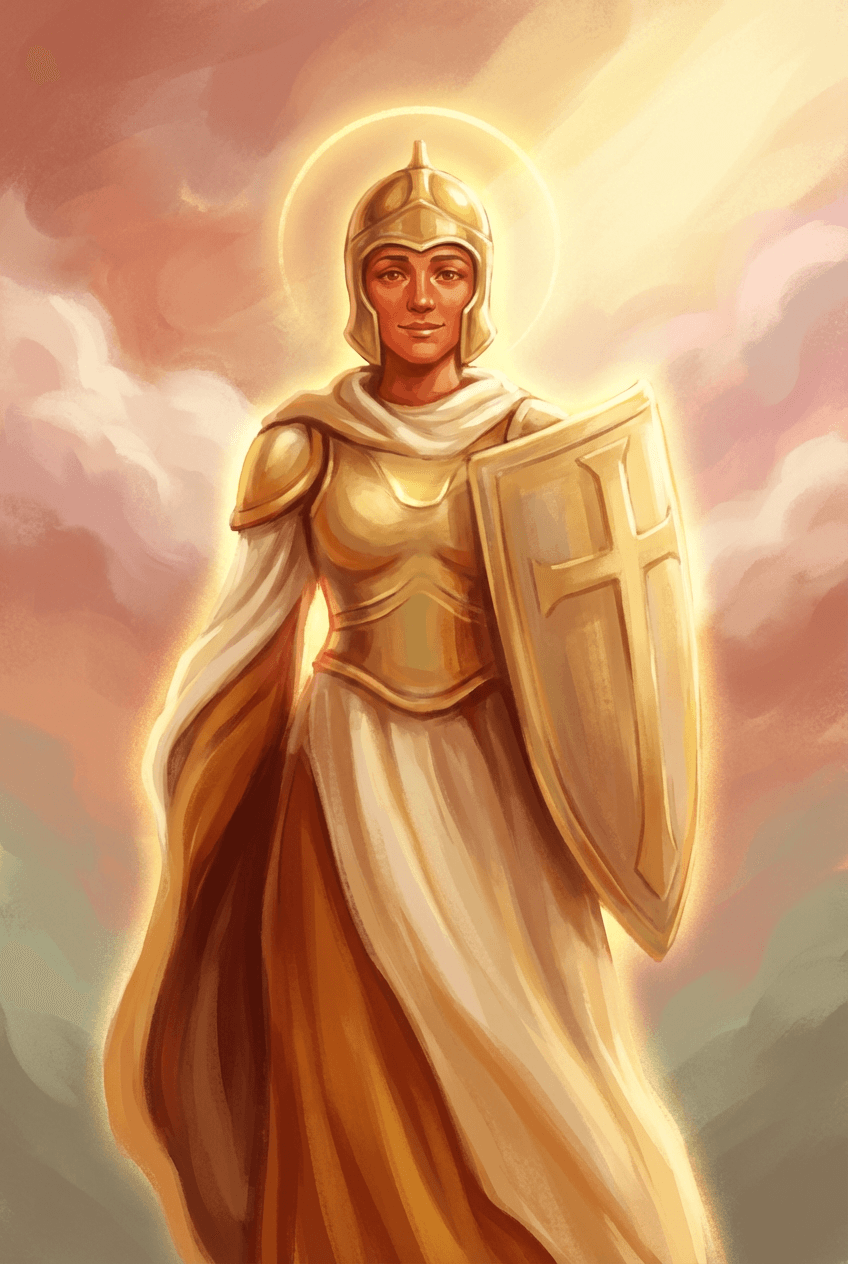
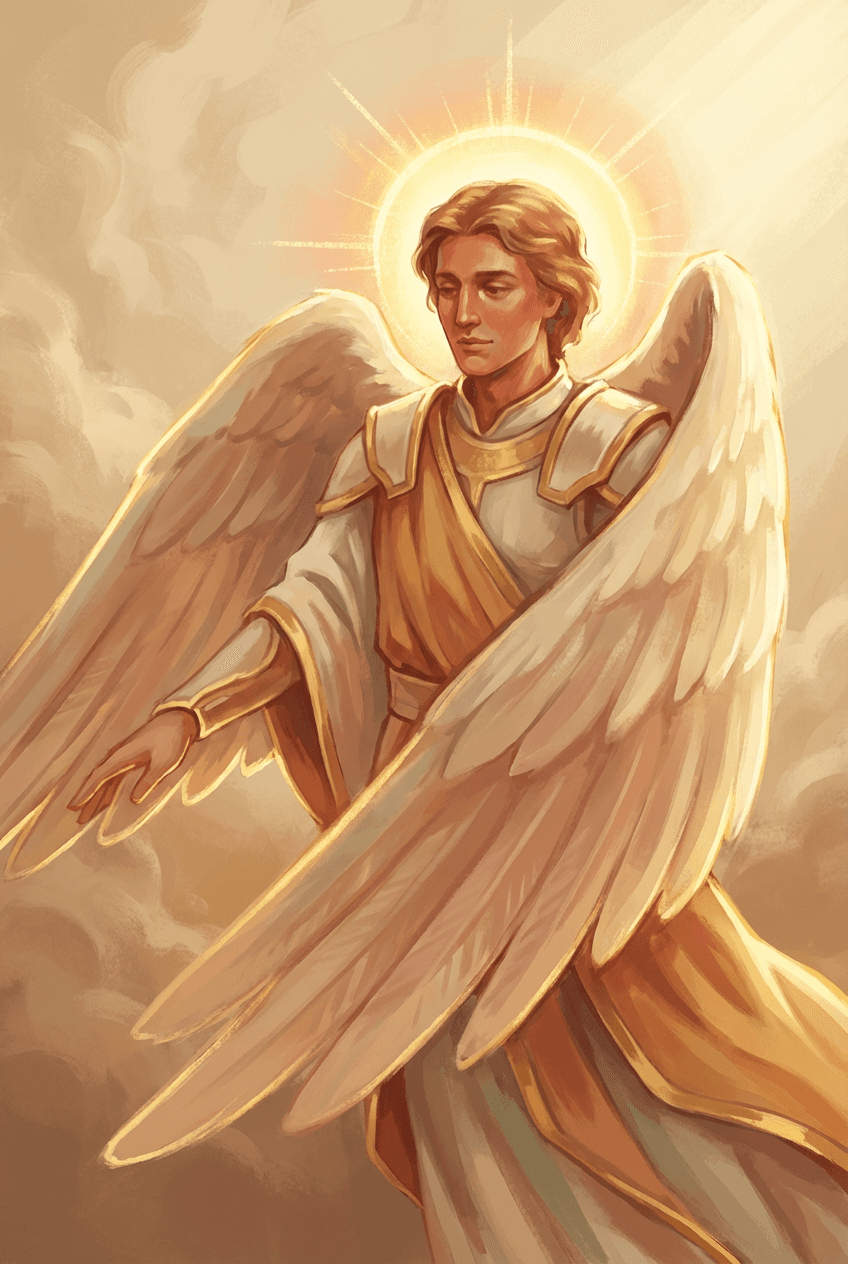
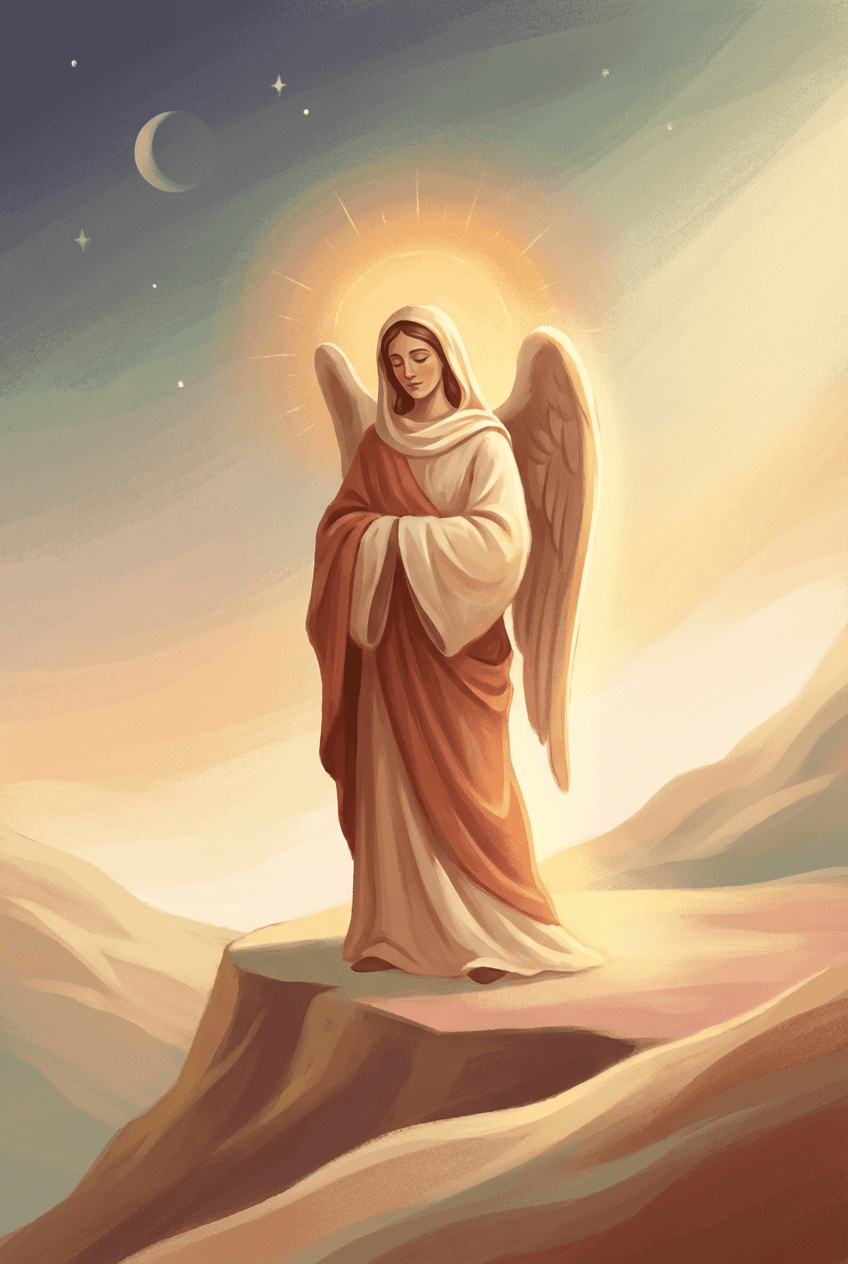
Begin the day covered
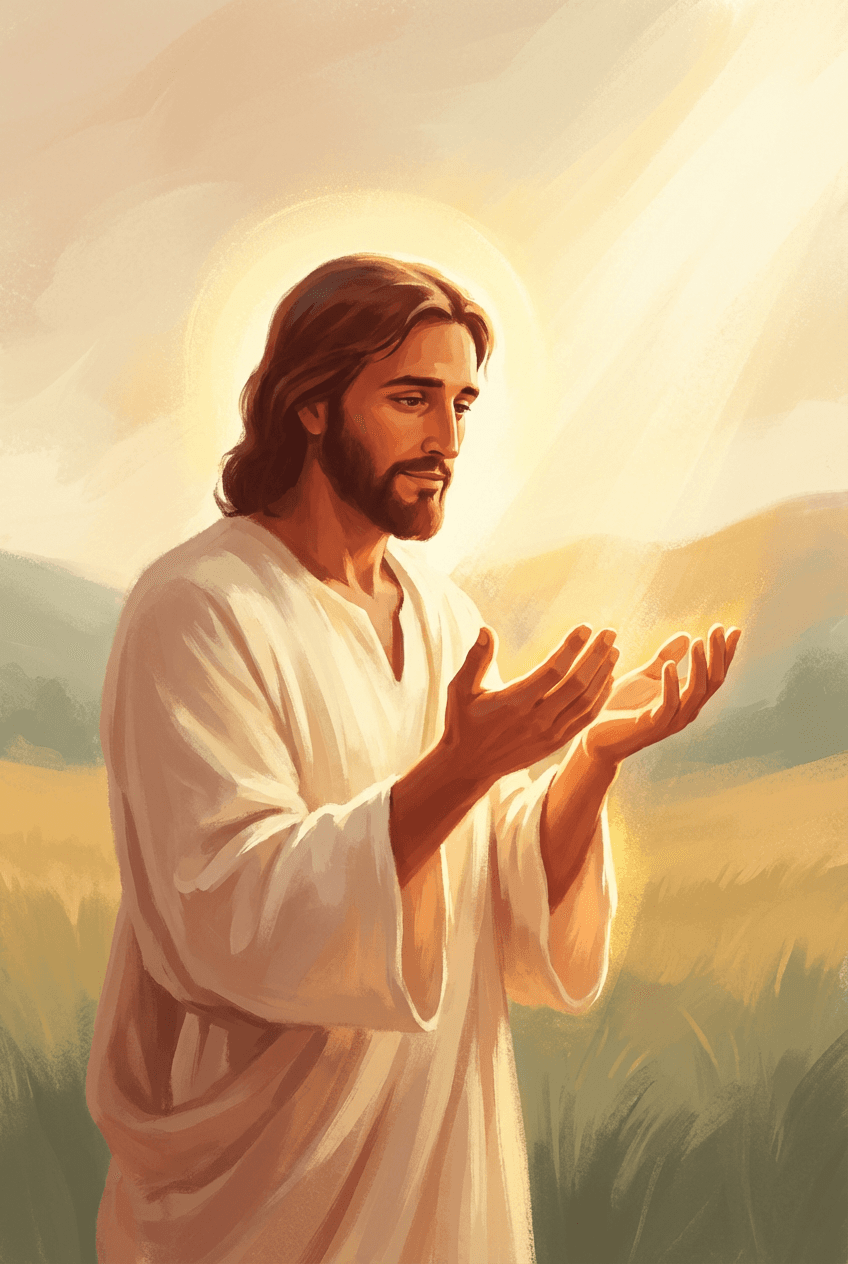
Questions about St. Patrick’s Breastplate
What is St. Patrick’s Breastplate?+
It is an ancient Christian prayer of protection — a “lorica,” or breastplate — attributed to St. Patrick, the 5th-century apostle of Ireland. It is prayed to begin the day by binding the soul to the strength of the Holy Trinity and the protection of Christ, calling on every saving mystery of His life. Its most famous stanza, “Christ with me, Christ before me, Christ behind me,” surrounds the one who prays with Christ on every side.
Is St. Patrick’s Breastplate a Catholic prayer?+
Yes. It comes from the early Irish Church and has been prayed in Catholic tradition for over a thousand years. It is thoroughly Trinitarian and Christ-centered, and it draws directly on St. Paul’s teaching that we are to “put on the armour of God” (Ephesians 6) and to “put on the Lord Jesus Christ” (Romans 13:14). The hymn “I Bind Unto Myself Today,” sung in many churches, is a verse setting of this same prayer.
Can a layperson pray it?+
Absolutely — it is made for every Christian. Like all sound Catholic protection prayer, it is deprecatory: it asks God for His strength and protection and never addresses or commands the enemy. There is nothing reserved about it; it is one of the safest and richest prayers a layperson can pray each morning.
Why is it called a “breastplate” or “lorica”?+
A lorica was the breastplate a Roman soldier wore into battle. Early Christian writers borrowed the word for prayers that “armor” the soul, following St. Paul’s image of the armor of God in Ephesians 6. St. Patrick’s is the most famous lorica, and the name has stayed with it: to pray it is to put on the breastplate of Christ before the day begins.
Did this prayer help you today?
If it did, consider supporting Brother Michael's work directly — your gift helps sponsor access for people who can't afford a plan and keeps new prayers + reflections coming.
Separate from your subscription — every gift goes to the ministry.