1. The praise of a canticle for David. He that dwelleth in the aid of the most High, shall abide under the protection of the God of Jacob.
2. He shall say to the Lord: Thou art my protector, and my refuge: my God, in him will I trust.
3. For he hath delivered me from the snare of the hunters: and from the sharp word.
4. He will overshadow thee with his shoulders: and under his wings thou shalt trust.
5. His truth shall compass thee with a shield: thou shalt not be afraid of the terror of the night.
6. Of the arrow that flieth in the day, of the business that walketh about in the dark: of invasion, or of the noonday devil.
7. A thousand shall fall at thy side, and ten thousand at thy right hand: but it shall not come nigh thee.
8. But thou shalt consider with thy eyes: and shalt see the reward of the wicked.
9. Because thou, O Lord, art my hope: thou hast made the most High thy refuge.
10. There shall no evil come to thee: nor shall the scourge come near thy dwelling.
11. For he hath given his angels charge over thee; to keep thee in all thy ways.
12. In their hands they shall bear thee up: lest thou dash thy foot against a stone.
13. Thou shalt walk upon the asp and the basilisk: and thou shalt trample under foot the lion and the dragon.
14. Because he hoped in me I will deliver him: I will protect him because he hath known my name.
15. He shall cry to me, and I will hear him: I am with him in tribulation, I will deliver him, and I will glorify him.
16. I will fill him with length of days; and I will shew him my salvation.
Psalm 91 — The Prayer of Protection
He that dwelleth in the aid of the most High, shall abide under the protection of the God of Jacob.
From the Church’s tradition: The Church’s great psalm of protection — prayed at Sunday Compline in the Liturgy of the Hours, and the psalm the Church reads on the First Sunday of Lent.
For seventeen centuries, Christians under threat have reached for one psalm before any other. Psalm 91 — Psalm 90 in the Vulgate and Douay-Rheims numbering — is the Church’s great prayer of protection: a soldier’s psalm, a night psalm, a psalm for households under spiritual pressure.
The Church prays it every Sunday at Compline, the night prayer of the Liturgy of the Hours, precisely because the hours of darkness are when fear presses hardest. Below you will find the complete text in the Douay-Rheims translation, narrated audio to pray along with, and a prayer card you can keep or share.
Listen — Psalm 91, narrated
Psalm 91 — Full Text (Douay-Rheims)
Numbered Psalm 90 in the Vulgate and Douay-Rheims, Psalm 91 in Bibles that follow the Hebrew numbering. It is the same psalm.
Keep this prayer with you
Download the Psalm 91 card
A prayer card you can save to your phone, print for your wall, or send to someone who needs it tonight.
Free download. The app reads it aloud with you, every day.
What Psalm 91 means
Psalm 91 is built on a single movement: the soul that takes shelter in God is answered by God Himself. The opening verses are a profession of trust — refuge, fortress, shield. The center of the psalm names the dangers without flinching: the snare, the terror of the night, the arrow by day, the pestilence that walks in darkness. Scripture does not pretend the dangers are imaginary; it declares that they do not get the last word over the one who dwells in the shelter of the Most High.
Verse 11 — "For he hath given his angels charge over thee; to keep thee in all thy ways" — is the heart of the Church’s teaching on the guardianship of the holy angels, and the verse the devil himself misquoted when tempting Christ in the desert (Matthew 4:6). Christ’s answer, and the Church’s, is that God’s protection is promised to trust, not to presumption.
The final verses change voice: God Himself speaks. "Because he hoped in me I will deliver him: I will protect him because he hath known my name." Every Catholic protection prayer — the St. Michael Prayer, the Guardian Angel prayer, night blessings over a home — stands on this promise.
When to pray it
- ✦At night, before sleep — the Church’s own use, at Sunday Compline.
- ✦In moments of fear, anxiety, or felt spiritual oppression.
- ✦Aloud over your home and household, especially in times of trouble.
- ✦During Lent, with the Church, as the psalm of Christ’s victory over the tempter.
Pray Psalm 91 alongside

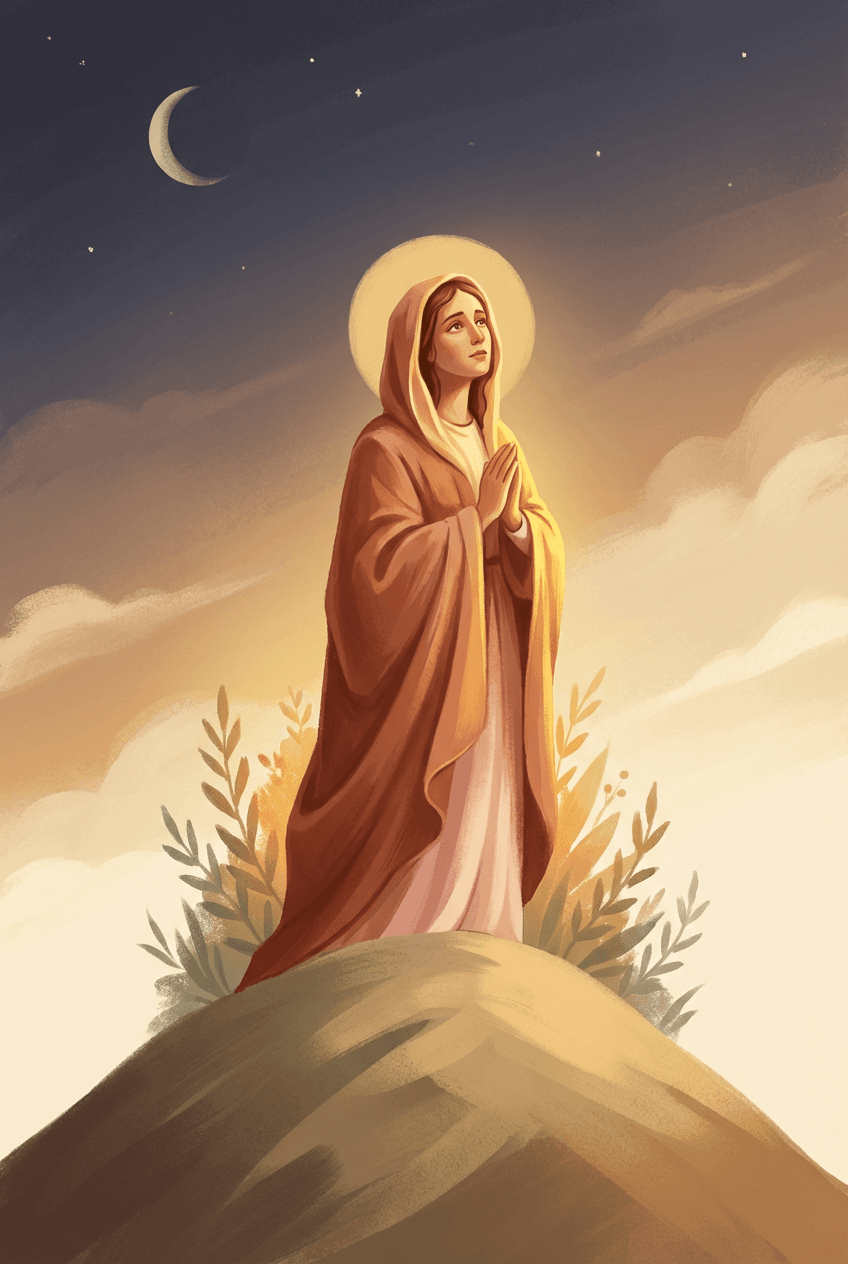


More psalms of refuge
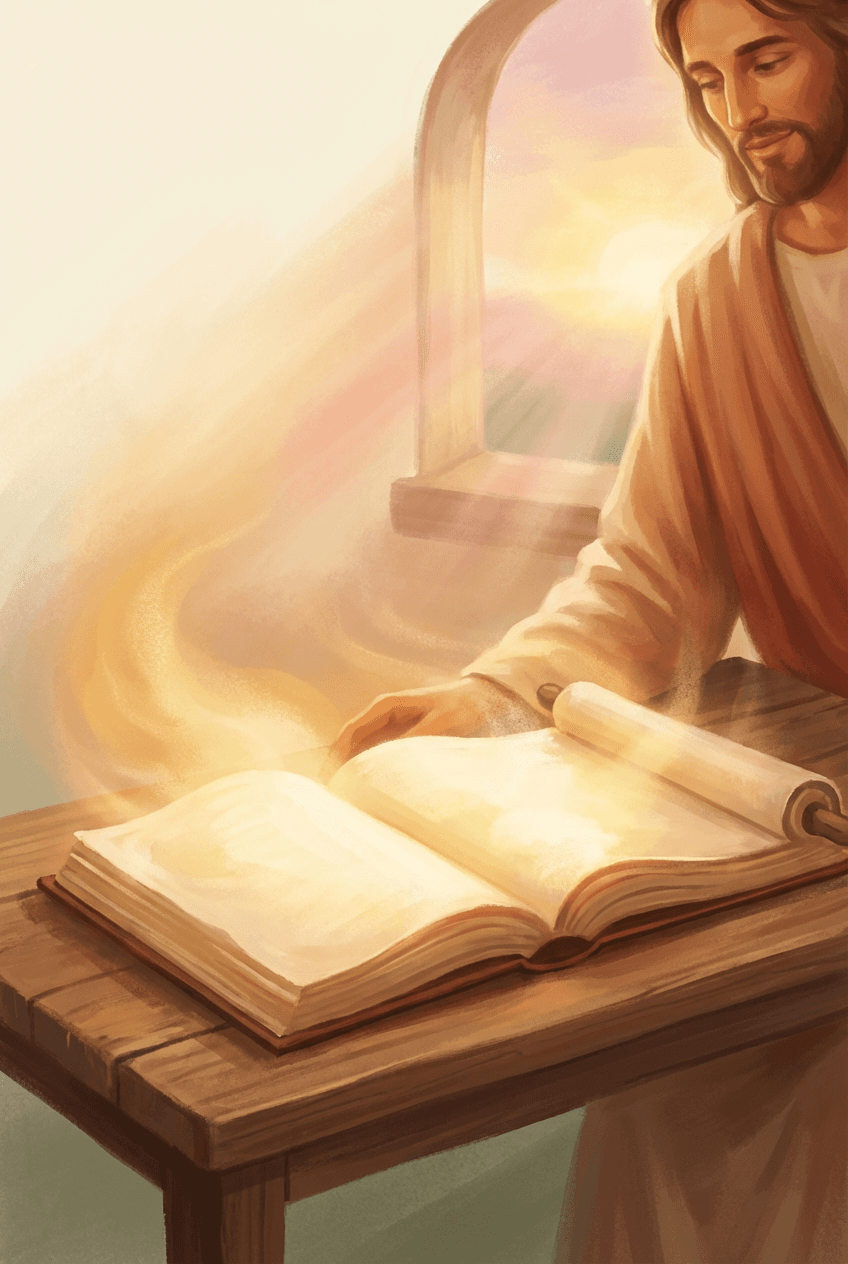

Questions about Psalm 91
Why is Psalm 91 called the psalm of protection?+
Because protection is its entire subject: refuge, fortress, shield, the guardianship of angels, and God’s own spoken promise of deliverance. The Church has prayed it against danger since the earliest centuries, and prays it every Sunday night at Compline.
Why is it numbered Psalm 90 in some Catholic Bibles?+
Catholic Bibles translated from the Latin Vulgate (like the Douay-Rheims) follow the Greek Septuagint numbering, in which this is Psalm 90. Bibles that follow the Hebrew numbering call it Psalm 91. It is the same psalm — only the numbering differs.
When do Catholics pray Psalm 91?+
At Sunday Compline (the Church’s night prayer), on the First Sunday of Lent, and personally in any moment of fear or spiritual pressure — especially at night and over the home.
Can I pray Psalm 91 over my home and family?+
Yes. Praying Scripture aloud over your household is an ancient Christian practice. Many families pray Psalm 91 at night together with a blessing of the home and the Guardian Angel prayer for each member.
Did this prayer help you today?
If it did, consider supporting Brother Michael's work directly — your gift helps sponsor access for people who can't afford a plan and keeps new prayers + reflections coming.
Separate from your subscription — every gift goes to the ministry.