Lord God, mighty in power and rich in mercy, I come to You as Your child, sealed in Baptism and redeemed by the Precious Blood of Your Son. You alone hold all power in heaven and on earth, and at the name of Jesus every knee shall bow. To You I lift up my whole life this day.
Lord, restrain every power of darkness that would come against me, my family, my home, and all that You have entrusted to my care. Turn back, O God, every assault of the enemy. In our human weakness, comfort our fear and anxiety, quiet our confusion and anger, and lift us from despair. Where there is darkness, send Your light, that we may live safely in the freedom of Your children. Father, let Your peace dwell here, for this household is Yours.
In the name of Jesus, and standing in the freedom His Cross has won for me, I renounce sin and every work of the evil one. I reject the empty promises of the enemy, and I ask for grace not to consent to whatever would lead me away from You. I give myself anew to You — body, mind, and soul. Wash me in Your mercy, fill me with Your Holy Spirit, and let Your truth take the place of every falsehood within me.
Clothe me, Lord, in the full armor of God: gird me with truth, guard me with the breastplate of justice, shield me with faith, set upon me the helmet of salvation, and place in my hand the sword of the Spirit, which is Your Word. Where I am weak, be my strength; where I am afraid, be my peace; in moments of darkness, be my light that no shadow can overcome.
Saint Michael the Archangel, defend us in battle; be our protection against the wickedness and snares of the devil. May God rebuke him, we humbly pray; and do thou, O Prince of the heavenly host, by the power of God, cast into hell Satan and all the evil spirits who prowl about the world seeking the ruin of souls. Holy Mary, Mother of God, lead us to your Son and shelter us beneath your mantle; holy angels and saints of God, pray for us.
Father, into Your hands I place myself and all I love. Guard us through this day and this night, and let the victory of the Cross reign over every fear and every danger. I trust in You, O Lord; in You alone is my refuge and my peace. Through Christ our Lord. Amen.
Deliverance Prayer — What the Church Actually Teaches
There is a Catholic answer to the longing behind "deliverance" — and it is safer, older, and stronger than the version the internet sells.
From the Church’s tradition: The Church draws a clear line: solemn deliverance and exorcism are reserved to a priest with his bishop’s mandate. What she gives every layperson is real and powerful — deprecatory prayer, the sacraments, and a path to her ministry when it is needed.
People reach for the word "deliverance" from a real place — a sense of being bound, oppressed, unable to break free of something. The Catholic Church takes that longing seriously. She has, in fact, the oldest and most disciplined deliverance ministry in the world. But she also protects the people who come to her, and the first thing she protects them from is the do-it-yourself "deliverance prayer" the internet hands out so freely.
Here is the line, and it matters: solemn exorcism and the formal deliverance of a person from demonic influence are reserved to a priest appointed by his bishop. They are never the work of private prayer, however sincere. What the Church does place in every layperson’s hands is genuinely powerful — the prayer of petition, the renunciation of evil renewed from your Baptism, the sacraments, and the protection of the saints and angels. This page is that laity-safe path, with her ministry standing behind it for anything serious.
Listen — The Jesus Prayer, narrated
A Prayer to Restrain Evil
A deprecatory prayer — it asks God to restrain and drive back evil, in the pattern Scripture gives the laity. It never commands a spirit directly.
The Jesus Prayer
The tradition’s ceaseless weapon — "Lord Jesus Christ, Son of God, have mercy on me, a sinner." Mercy is itself a deliverance.
THE JESUS PRAYER
This ancient prayer, used by Christians for over 1,500 years, is one of the most powerful short prayers in existence. Repeat it slowly, from the heart:
"Lord Jesus Christ, Son of God, have mercy on me, a sinner."
HOW TO PRAY:
1. Breathe in slowly as you pray: "Lord Jesus Christ, Son of God..."
2. Breathe out slowly as you pray: "...have mercy on me, a sinner."
3. Repeat continuously, letting the prayer sync with your breathing.
This prayer can be prayed anywhere, anytime — walking, driving, lying in bed, in moments of fear or temptation. The Desert Fathers taught that this prayer, prayed continuously, becomes a shield against every spiritual attack.
When you are under attack, the name of Jesus is your most powerful weapon. Demons cannot stand before His name. They must flee.
"At the name of Jesus every knee should bow, in heaven and on earth and under the earth." — Philippians 2:10
Keep this prayer with you
Share the A Prayer to Restrain Evil card
A prayer card you can send to someone who needs it tonight, save to your phone, or print for your wall.
Free. The app reads it aloud with you, every day.
Deliverance the Catholic way
Start with what deliverance is not. It is not a technique, a script, or a contest of wills with a spirit. The Church has watched that approach wound people for centuries — feeding fear, fostering pride, and too often mistaking a human or medical struggle for a demonic one. Her way is the opposite: humble, ordered, and always pointed back to God.
For the layperson, the real arsenal is the ordinary means of grace. Confession is the Church’s great deliverance — sin renounced and absolved is ground the enemy loses. The Eucharist is the strength of a soul united to Christ. Over these come the prayers of petition: asking God, the saints, and the angels to defend and free you. Notice that every one of them is addressed to God, never to the enemy. That is the deprecatory pattern Scripture models (Jude 1:9), and it is what keeps deliverance from curdling into fear or fascination.
And there is a line the Church will not let a layperson cross, for their own protection: solemn exorcism and the formal deliverance of a person are reserved to a priest with the explicit mandate of his bishop. If what you or someone you love is facing feels persistent, frightening, or beyond ordinary temptation, the next step is not a stronger prayer found online — it is your parish priest. He will take it seriously, help you discern (some of what looks spiritual is medical, and both matter), and he knows the Church’s further steps if they are ever truly needed. Asking for that help early is not failure. It is exactly what the Church means deliverance to look like.
When to pray it
- ✦When you feel bound or oppressed — begin with the prayer of petition, not a confrontation.
- ✦Before and after Confession, the Church’s ordinary and most powerful deliverance.
- ✦Daily, as protection: the St. Michael Prayer, Psalm 91, the Rosary.
- ✦And early — bring anything persistent or frightening to a priest, soon rather than late.
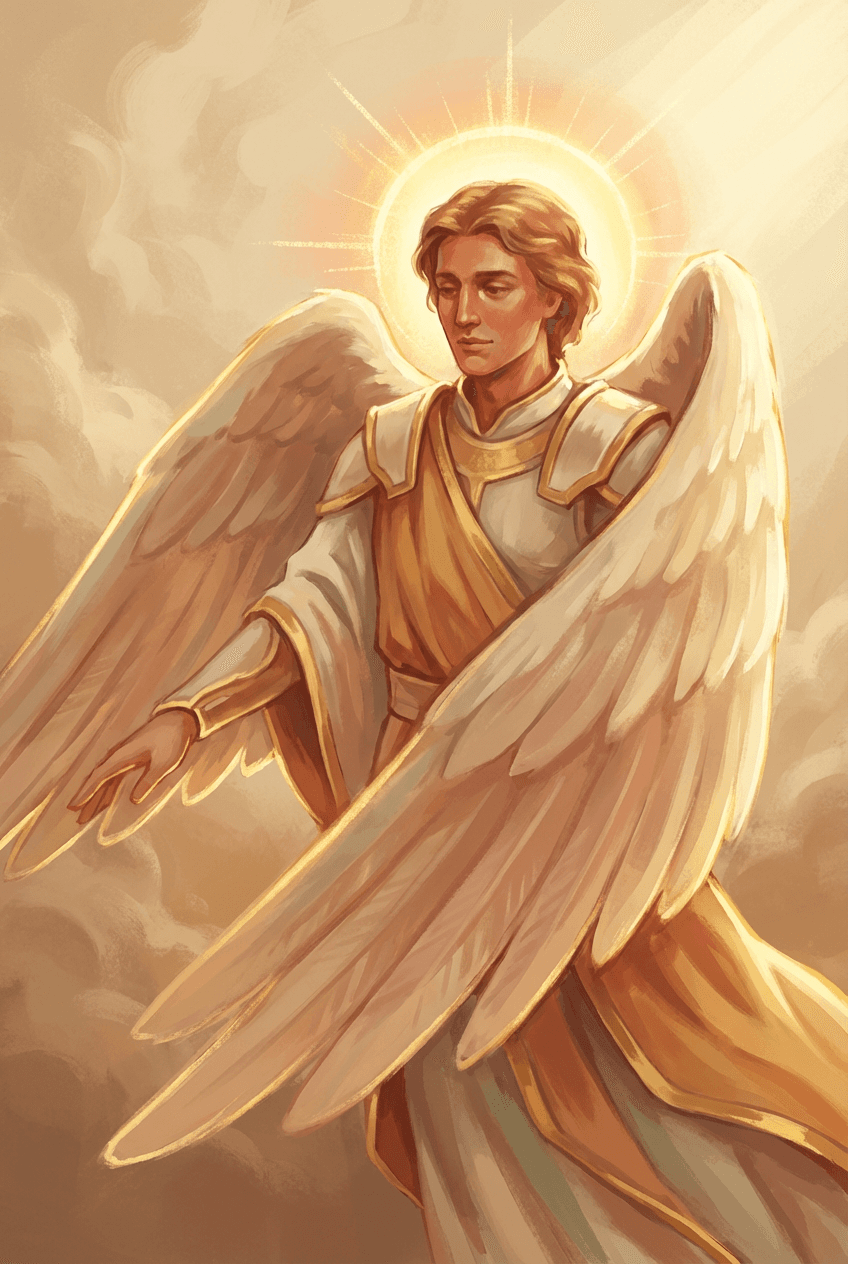
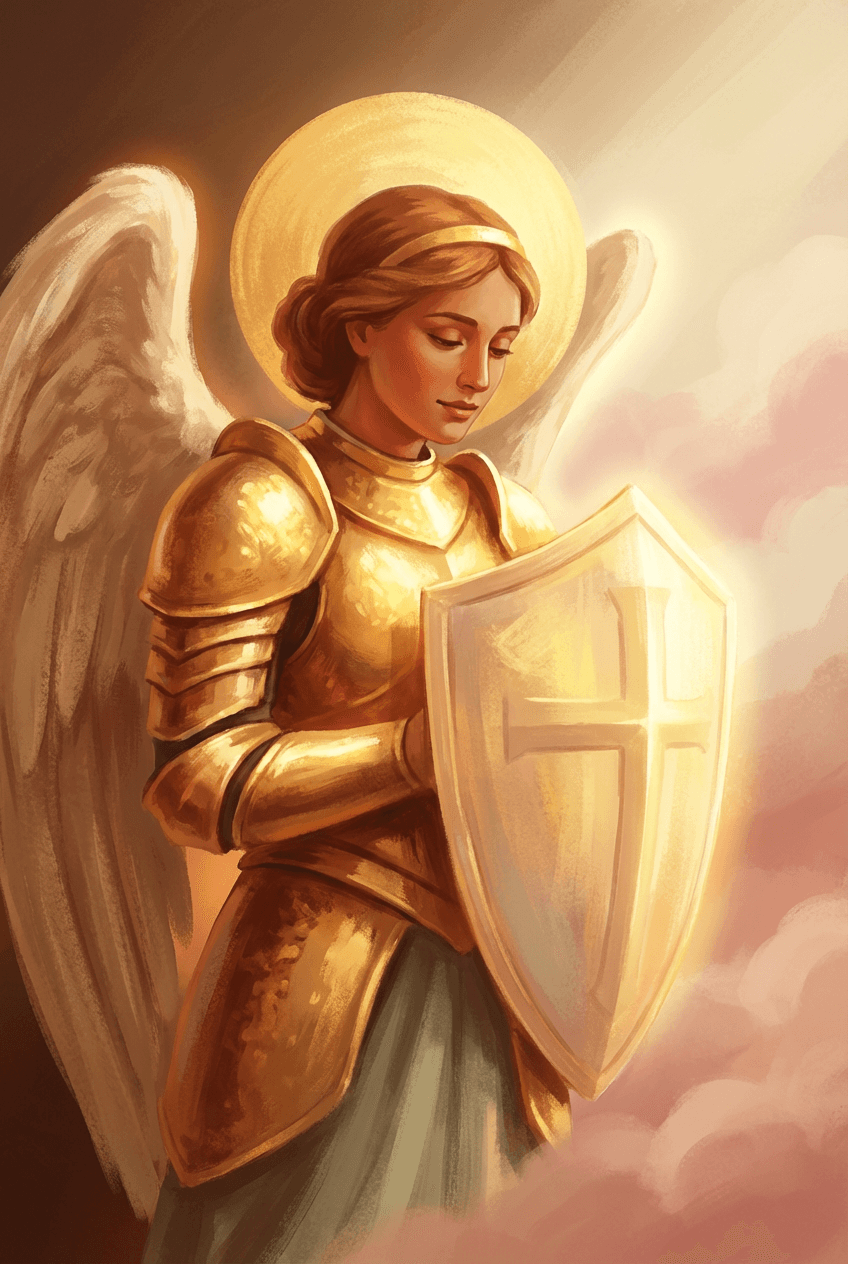
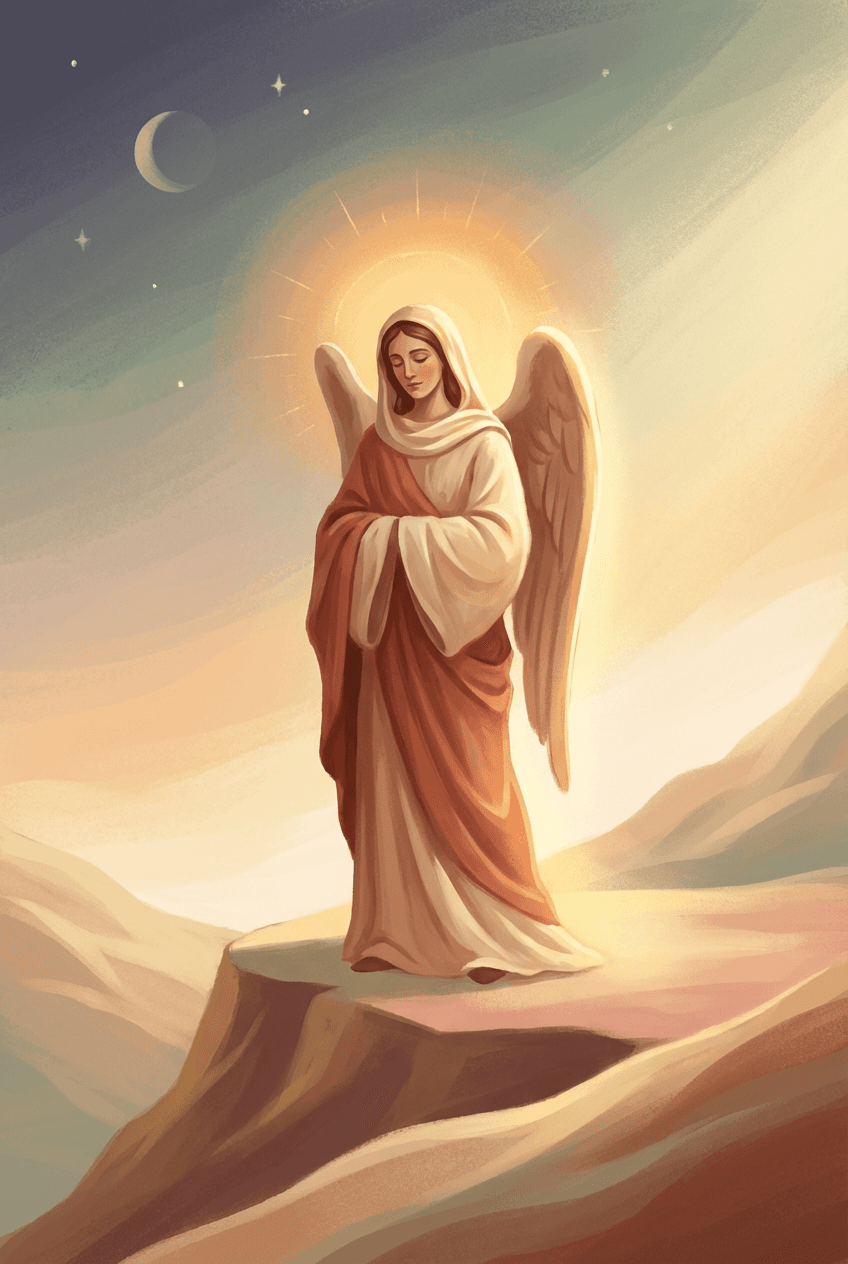
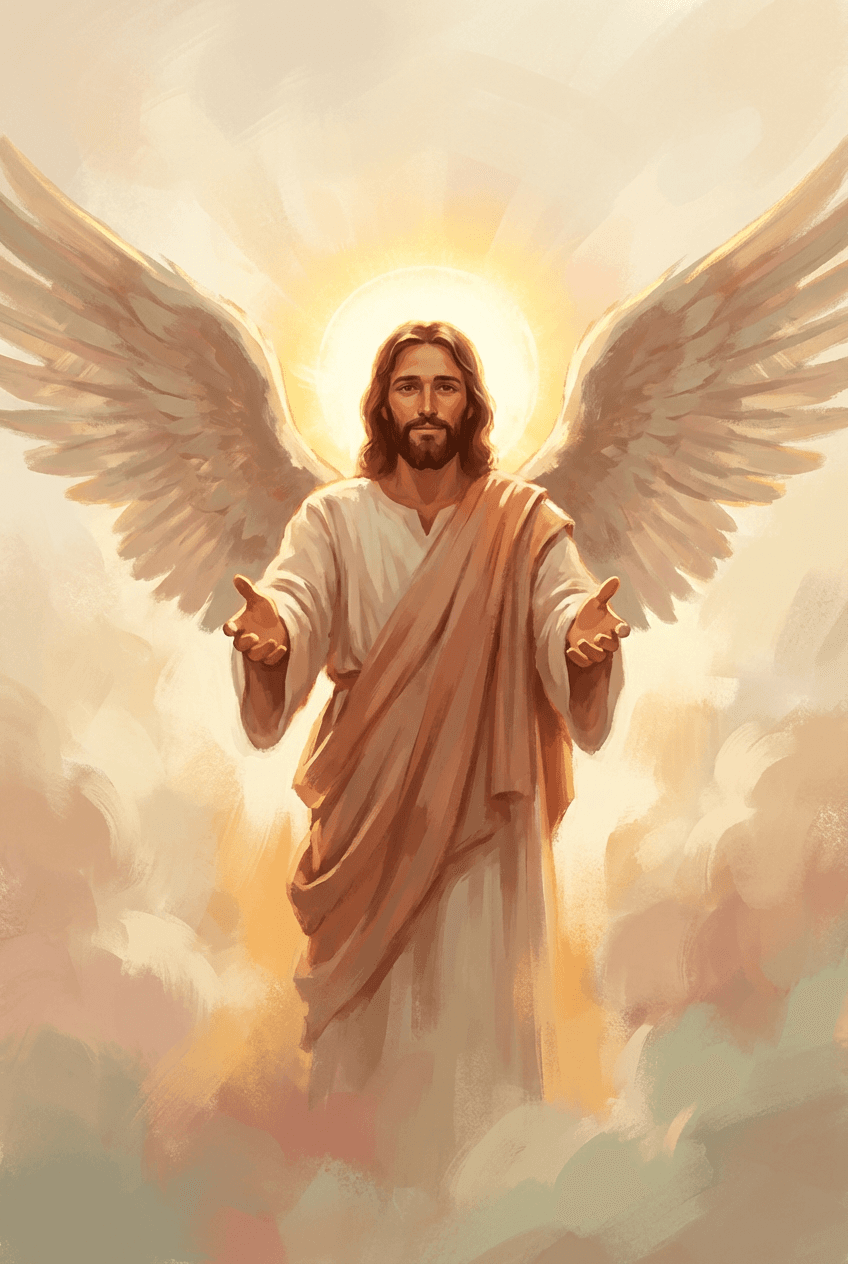
The laity’s deprecatory prayers

Strength and shelter


Questions about A Prayer to Restrain Evil
Can a layperson say a deliverance prayer?+
Yes — a deprecatory one. A layperson may always ask God to protect, restrain evil, and free them, in the pattern of the prayers on this page. What a layperson may not do is perform a solemn exorcism or address and command a spirit directly; that is reserved to a priest with his bishop’s mandate. The deprecatory prayers are not a lesser substitute — they are the form of deliverance prayer the Church actually gives her people.
What is the difference between deliverance and exorcism?+
In Catholic usage, solemn exorcism is the Church’s formal rite, performed only by a priest appointed by the bishop, in cases of genuine demonic possession that have been carefully discerned. "Deliverance" is used more broadly for freedom from the ordinary influence of evil — and for the laity that freedom comes through the sacraments and deprecatory prayer, not through any rite. When the situation is serious, both belong to the Church’s ministry, reached through your parish priest.
Are online deliverance prayers that "bind" or "command" demons safe to pray?+
The Church’s answer is no — not as a layperson. Imperative prayers that address or command spirits directly are not the pattern Scripture or the Church gives the laity (Jude 1:9 — "the Lord command thee"), and reaching for them on your own can feed exactly the fear and fascination the enemy wants. Pray deprecatory prayers — addressed to God — and bring serious matters to a priest.
How do I know if I need deliverance or a doctor?+
You may not be able to tell on your own, and you should not try to. Much of what feels like oppression is human — exhaustion, anxiety, depression, grief, trauma — and these deserve real care, including medical and psychological help, without any shame. The Church discerns the two together, never against each other. Bring it to your parish priest, keep your doctor in the picture, and if you are ever in crisis or thinking of harming yourself, reach out for immediate help today.
Did this prayer help you today?
If it did, consider supporting Brother Michael's work directly — your gift helps sponsor access for people who can't afford a plan and keeps new prayers + reflections coming.
Separate from your subscription — every gift goes to the ministry.